1. Meaning of a Cell
The cell is the basic structural, functional, and biological unit of life. All living organisms are made up of one or more cells. A cell carries out essential processes such as respiration, nutrition, excretion, growth, and reproduction.
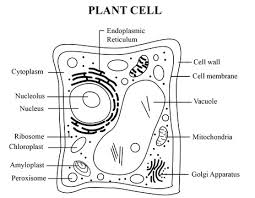
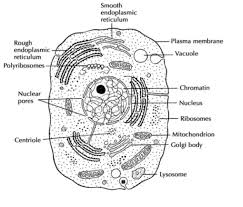
2. Types of Cells
- Prokaryotic cells: No true nucleus, no membrane-bound organelles (bacteria).
- Eukaryotic cells: True nucleus, membrane-bound organelles (plants, animals, fungi).
3. Cell Structure & Functions (Merged)
- Cell membrane: Controls substance movement in/out of the cell.
- Cytoplasm: Medium where many reactions occur.
- Nucleus: Contains DNA and controls cell activities.
- Mitochondria: Site of aerobic respiration and ATP production.
- Ribosomes: Responsible for protein synthesis.
- Vacuole: Stores food, water, and waste (large in plant cells).
- Chloroplasts (plants only): Site of photosynthesis.
- Golgi apparatus: Modifies, packages, and transports proteins.
- Endoplasmic reticulum: Rough ER (proteins), Smooth ER (lipids).
- Cell wall (plants only): Provides rigidity and protection.
4. Differences Between Plant & Animal Cells
- Plant cells have a cell wall; animal cells do not.
- Plant cells contain chloroplasts; animal cells do not.
- Plant cells have a large central vacuole; animal cells have small temporary vacuoles.
- Animal cells have centrioles; plant cells generally do not.
5. Cell Membrane Transport
- Diffusion: Movement of particles from high → low concentration.
- Osmosis: Movement of water across a semipermeable membrane.
- Active transport: Movement against concentration gradient using ATP.
8. Practice Questions (Merged)
Q1: State three differences between plant and animal cells.
Q2: Explain two functions of the cell membrane.
Q3: Name three organelles and state their functions.
Q4: Define osmosis using concentration gradients.
Q5: Draw and label a typical plant cell.