MAMMALIAN HEART – CAMEROON O-LEVEL STANDARD
 mammalian-heart
1. Introduction
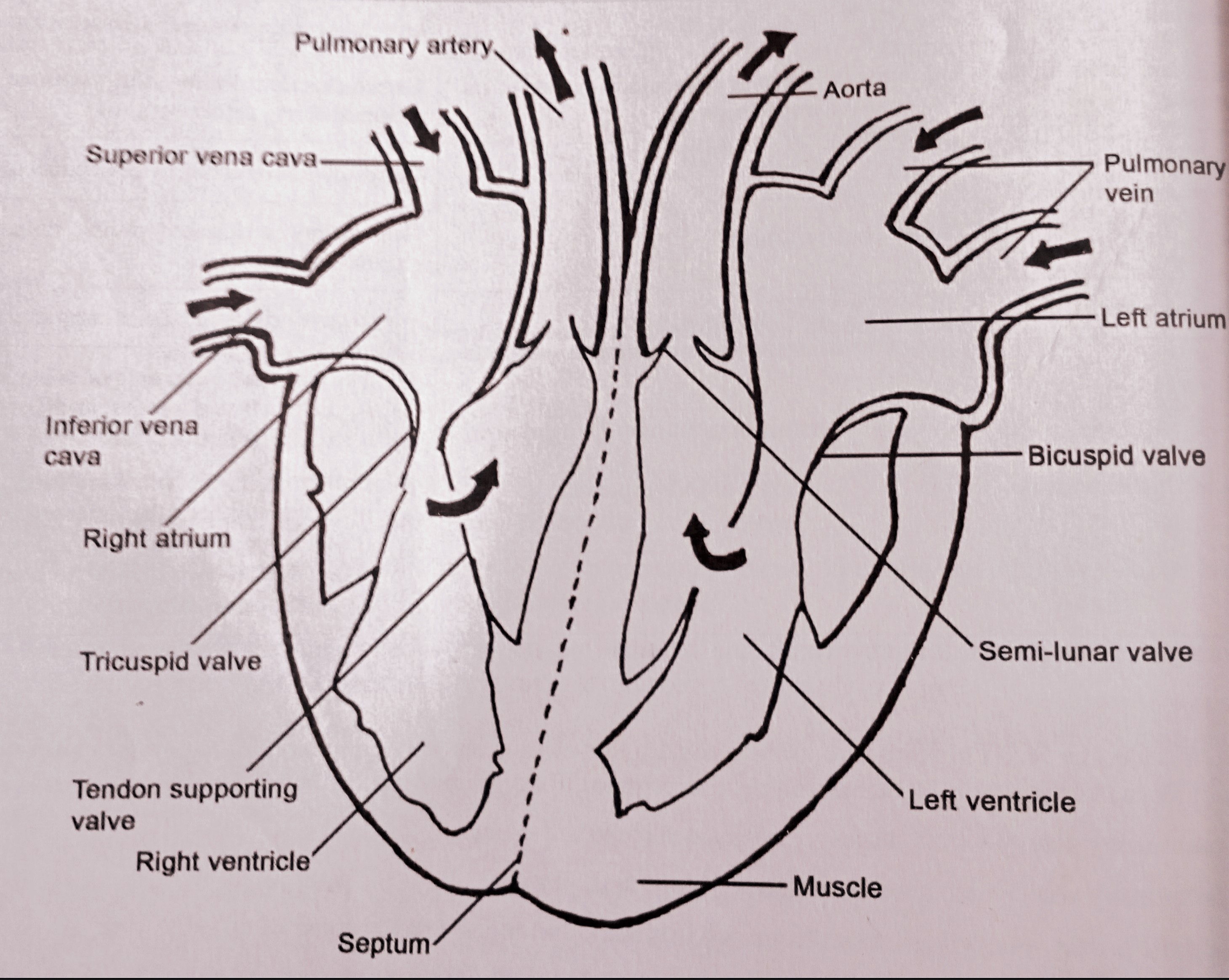
The mammalian heart is a muscular, double-pump organ responsible for pumping blood throughout the body.
It forms the central part of the circulatory system and ensures the continuous transportation of oxygen, nutrients, hormones, and removal of waste products.
2. Position of the Heart
- Located in the thoracic cavity.
- Sit slightly towards the left side of the chest.
- Protected by the ribs and sternum.
- Enclosed in a double membrane called the pericardium, which prevents friction.
3. Structure of the Mammalian Heart
The heart has four chambers, separated into right and left sides:
A. Right Side (receives deoxygenated blood)
- Right Atrium – receives blood from vena cavae.
- Right Ventricle – pumps deoxygenated blood to the lungs via the pulmonary artery.
- Tricuspid Valve – prevents backflow from ventricle to atrium.
B. Left Side (receives oxygenated blood)
- Left Atrium – receives oxygenated blood from pulmonary veins.
- Left Ventricle – pumps oxygenated blood to the whole body through the aorta.
- Bicuspid (Mitral) Valve – prevents backflow.
C. Other Key Structures
- Septum – muscular wall separating oxygenated and deoxygenated blood.
- Semi-Lunar Valves – found in aorta and pulmonary artery.
- Coronary Arteries – supply oxygen to the heart muscles.
4. Adaptations of the Mammalian Heart
- Thick muscular walls for strong pumping.
- Left ventricle has the thickest wall to pump blood around the whole body.
- Valves ensure one-way flow of blood.
- Coronary circulation supplies nutrients to heart tissues.
- Numerous mitochondria supply energy for continuous contraction.
- Automatic rhythmic contractions initiated by pacemaker tissues.
5. Blood Vessels Associated with the Heart
A. Vessels Bringing Blood to the Heart
- Vena Cava – deoxygenated blood from the body → right atrium.
- Pulmonary Veins – oxygenated blood from lungs → left atrium.
B. Vessels Carrying Blood Away from the Heart
- Pulmonary Artery – deoxygenated blood → lungs.
- Aorta – oxygenated blood → body.
6. Double Circulation (VERY IMPORTANT IN CAMEROON EXAMS)
Mammals exhibit double circulation consisting of:
1. Pulmonary Circulation
- Right ventricle → lungs (via pulmonary artery)
- Lungs → left atrium (via pulmonary veins)
2. Systemic Circulation
- Left ventricle → body (via aorta)
- Body → right atrium (via vena cava)
Importance of double circulation:
- Ensures oxygenated and deoxygenated blood do not mix.
- Maintains high blood pressure in systemic circulation.
- Guarantees efficient supply of oxygen to tissues.
7. Functions of Each Chamber
- Right Atrium: receives deoxygenated blood from body.
- Right Ventricle: pumps blood to lungs.
- Left Atrium: receives oxygenated blood from lungs.
- Left Ventricle: pumps oxygenated blood to entire body.
8. Heartbeat (Cardiac Cycle)
The cardiac cycle consists of:
1. Atrial Systole
Atria contract pushing blood into ventricles.
2. Ventricular Systole
Ventricles contract pushing blood into the arteries.
3. Diastole
Both atria and ventricles relax, allowing chambers to refill.
Pacemaker (SAN): controls heart rhythm.
9. Common Heart Diseases (Cameroon syllabus)
- Hypertension – high blood pressure.
- Atherosclerosis – narrowing of arteries due to fat.
- Heart attack – blockage of coronary arteries.
- Stroke – blockage of vessels supplying brain.
Preventive Measures
- Regular exercise
- Low-fat diet
- Avoid smoking and alcohol
- Manage stress
- Regular medical checkups
10. Past Cameroon GCE Questions (Sample)
- Describe the structure and function of the mammalian heart. (10 marks)
- Explain double circulation in mammals. (10 marks)
- List three adaptations of the left ventricle. (3 marks)
- State the function of valves in the heart. (4 marks)
- Differentiate between pulmonary and systemic circulation. (6 marks)