Male Reproductive System
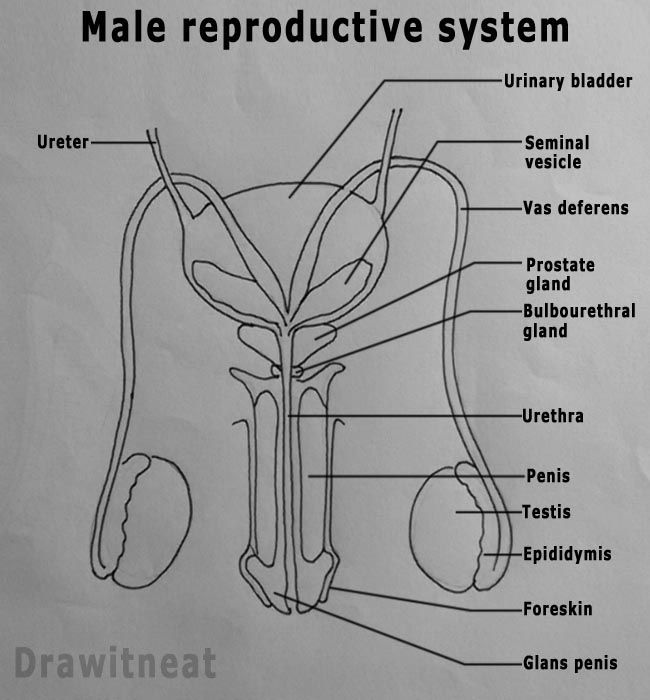
The male reproductive system produces and delivers male gametes (sperm) and includes the following parts:
- Testes: Produce sperm and testosterone.
- Scrotum: Protects testes and regulates temperature for sperm production.
- Epididymis: Stores sperm and allows them to mature.
- Vas deferens: Transports sperm from epididymis to urethra.
- Seminal vesicles: Produce seminal fluid containing nutrients and enzymes.
- Prostate gland: Secretes fluid to nourish sperm and form semen.
- Urethra: Conducts semen and urine out of the body.
Female Reproductive System
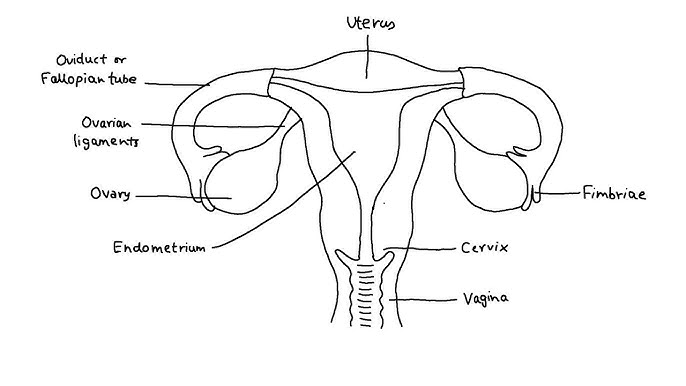
The female reproductive system produces ova (eggs) and supports fertilization and pregnancy. Key parts include:
- Ovaries: Produce eggs and hormones (estrogen and progesterone).
- Fallopian tubes: Transport ovum from ovary to uterus; site of fertilization.
- Uterus: Houses and nourishes developing embryo.
- Cervix: Opens to allow passage of sperm and baby.
- Vagina: Receives sperm and serves as birth canal.
Gametogenesis
Gametogenesis is the formation of gametes:
- Spermatogenesis: Occurs in testes; spermatogonia → primary spermatocytes → secondary spermatocytes → spermatids → spermatozoa.
- Oogenesis: Occurs in ovaries; oogonia → primary oocytes → secondary oocytes → ovum.
Fertilization and Implantation
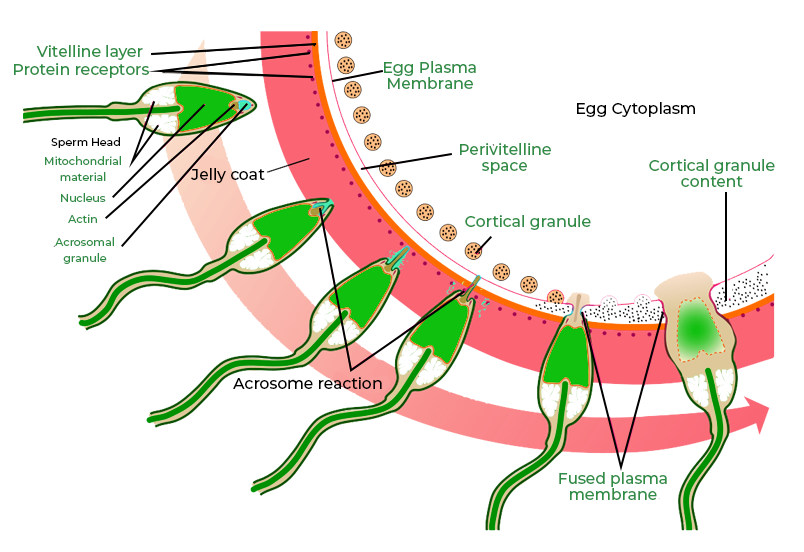
Fertilization is the fusion of male and female gametes to form a zygote. Implantation is when the zygote embeds into the uterine wall to develop into an embryo.
Pregnancy and Childbirth
- Pregnancy lasts ~9 months, divided into trimesters.
- Embryo develops in uterus, receives nutrients via placenta.
- Childbirth occurs via labor: contractions, dilation of cervix, delivery of baby, expulsion of placenta.
Contraception Methods
- Barrier methods: condoms, diaphragm.
- Hormonal: pills, injections.
- Intrauterine devices (IUDs).
- Natural methods: calendar, abstinence.
Practice Questions
- Describe the male and female reproductive systems. (6 marks)
- Explain spermatogenesis and oogenesis. (6 marks)
- Describe fertilization and implantation. (5 marks)
- Explain the stages of pregnancy and childbirth. (6 marks)
- List four methods of contraception and their mechanisms. (5 marks)