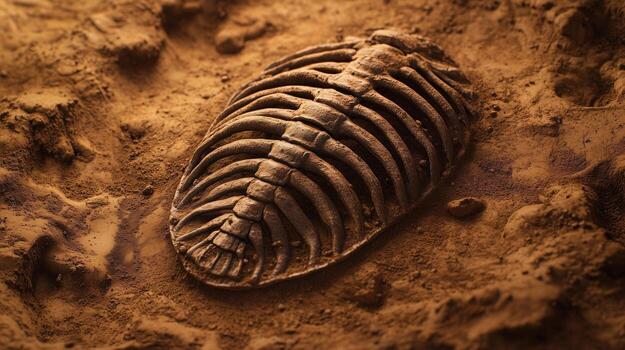
Paleontology Topics
1. Meaning of Paleontology
Paleontology is the scientific study of fossils. It deals with the remains and traces of organisms that lived millions of years ago. It helps scientists interpret past environments, evolution, climate changes and geological events.
2. What Are Fossils?
A fossil is any preserved remains, impression, or trace of an organism that lived in the geological past.
Types of Fossils
- A. Body Fossils: Bones, shells, teeth, leaves, seeds, wood.
- B. Trace Fossils: Footprints, burrows, feeding marks, impressions, coprolites.
3. How Fossils Are Formed
- Organism dies.
- Rapid burial under mud or sand.
- Soft parts decay; hard parts remain.
- Minerals replace hard parts (petrification).
- Sediments harden into rock.
- Earth movements expose the fossils.
4. Conditions Favoring Fossil Formation
- Quick burial
- Low oxygen (reduces decay)
- Presence of hard parts (bones)
- Calm water environments
- Low bacterial activity
5. Importance of Fossils
- Evidence for evolution.
- Reconstruction of ancient life.
- Dating rock layers.
- Clues on past climates.
- Help in oil and mineral exploration.
6. Geological Time Scale (Simplified)
- Paleozoic: Fish, amphibians, insects.
- Mesozoic: Age of reptiles; dinosaurs dominate.
- Cenozoic: Age of mammals; human evolution.
7. Fossils Found in Cameroon
- Lom Basin
- Mamfe Basin
- Garoua Basin
- Douala/Kribi Basin
Common fossils include marine shells, plant fossils, fish fossils, and rare dinosaur traces.